
For a while, it felt like every major publisher had discovered the same magic phrase: live service. Suddenly, everything needed seasons, battle passes, rotating cosmetics, online hubs, daily rewards, weekly challenges and enough menus to make starting a game feel like logging into work.
That approach has not gone away, obviously. Multiplayer games are still huge, and the biggest online titles continue to pull in enormous audiences. But there has also been a noticeable shift in the way people talk about games. More players seem to be craving something simpler, or at least more self-contained. A game you buy, play, finish and remember.
So, are single-player games making a proper comeback? Or did they never really leave in the first place?
Single-Player Games Never Disappeared
It is easy to talk about single-player gaming as if it vanished for a decade and has only just been rescued, but that is not really true. There have always been major solo games doing well, from huge open-world RPGs to cinematic action adventures, horror games, strategy titles and indie gems.
What did change was the industry conversation around them.
For a period, a lot of attention moved towards games that could keep players spending and returning for months or years. From a business point of view, it made sense. A successful live-service game can generate ongoing revenue long after launch. Instead of selling a game once, publishers could sell skins, passes, expansions, boosts and event content over time.
That meant single-player games started to feel a little old-fashioned in certain corners of the industry. Not among players, necessarily, but among the people deciding where massive budgets should go.
The funny thing is that players never stopped wanting great solo experiences. They just became more vocal about it when the alternative started to feel exhausting.
Live-Service Fatigue Is Real
There is nothing wrong with a good online game. At their best, live-service titles can be brilliant. They bring people together, create memorable moments, and give players a reason to keep coming back. The problem is that not every game needs to be built that way.
At some point, the whole thing started to feel crowded. Every game wanted your time. Every game wanted you to log in before an event ended. Every game had a store. Every game wanted to become your main hobby rather than simply being something you enjoyed for a few evenings.
That can be tiring, especially for adults who have work, families, bills and about six unfinished games already glaring at them from the dashboard.
Single-player games offer a different kind of promise. They usually do not care whether you log in every day. They do not punish you for taking a break. You can pause them, return later, play at your own pace and not feel like you are falling behind the rest of the world.
That is a much bigger selling point than it sounds.
Story Still Matters
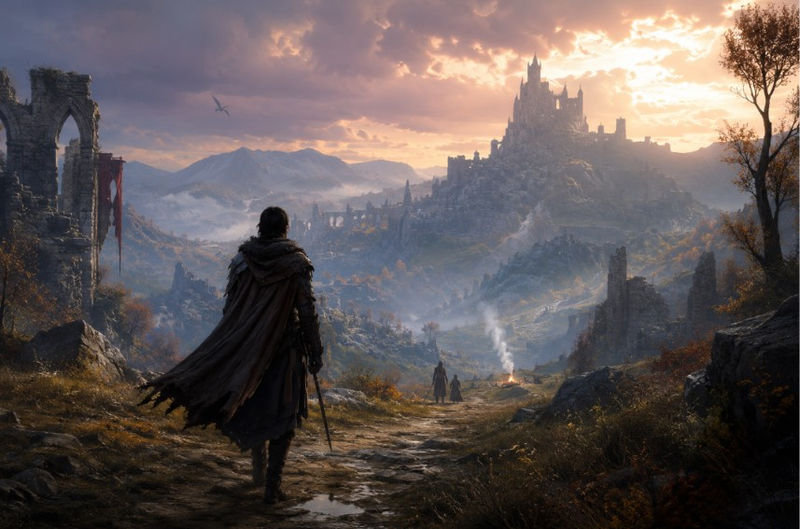
One of the strongest arguments for single-player games is simple: they can tell stories in a way multiplayer games often cannot.
A good solo game can build its entire world around the player’s journey. It can control pacing, atmosphere, character development and emotional payoff. It can slow down when it needs to, build tension properly, and give players moments that are not interrupted by someone shouting down a headset or sprinting in circles during a cutscene.
That does not mean every single-player game needs to be a serious emotional masterpiece. Some of the best solo games are just pure escapism. But even then, there is a sense of focus. The world exists for the experience, not just as a lobby for monetised content.
Players still love being pulled into a world. They still want memorable characters, strong writing, satisfying progression and endings that actually feel like endings. There is value in finishing a game and feeling like you have completed a journey, rather than just reaching the next season.
The Appeal Of Playing Alone
Gaming is often treated as a social hobby now, and for many people it is. Online multiplayer, streaming, Discord communities and co-op games have all made gaming more connected than ever.
But playing alone has its own appeal.
There is something satisfying about shutting the door on the noise and getting lost in a game without needing to perform, compete or communicate. You can be bad at it. You can take your time. You can explore the wrong path for half an hour. You can spend too long adjusting your character’s armour because it looks slightly better in black.
Nobody is watching. Nobody is waiting. Nobody is telling you to hurry up.
That private side of gaming is still incredibly important. In fact, the more connected games become, the more valuable that quiet, solo experience can feel.
Bigger Does Not Always Mean Better
One issue single-player games have not fully escaped is the obsession with scale. Some modern solo games are enormous, packed with icons, side quests, crafting systems, upgrade trees and collectibles. That can be great when the world is interesting and the mechanics support it, but it can also become another kind of fatigue.
A comeback for single-player games should not just mean more 80-hour open worlds. It should also mean shorter, sharper games. Games with clear ideas. Games that know when to end.
There is a lot to be said for a 10 to 15-hour campaign that respects your time. Not every game needs to become a second life. Sometimes the best experience is one that leaves you satisfied rather than drained.
That might be where single-player gaming is heading next: not just bigger solo adventures, but more varied ones.
Indie Games Have Helped Keep The Flame Alive
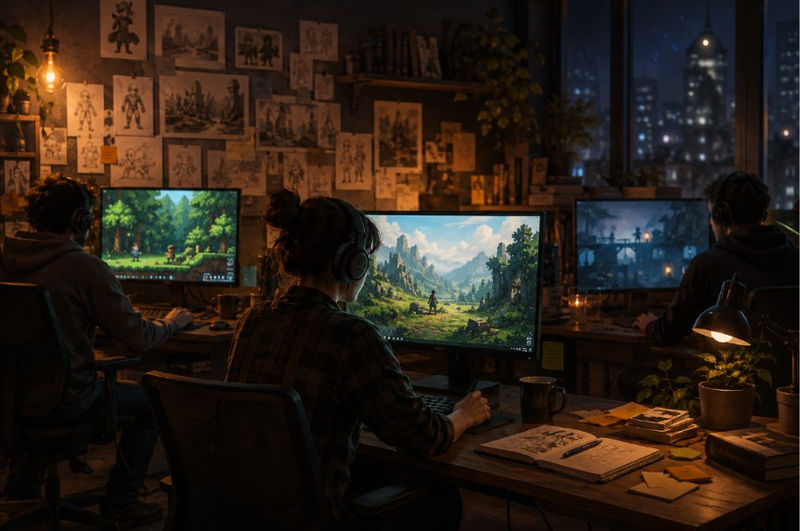
While major publishers have gone through phases of chasing trends, indie developers have been quietly proving the strength of single-player experiences for years.
Smaller studios often take risks that bigger companies avoid. They can build games around strange ideas, personal stories, unusual mechanics or niche genres. They do not always need to appeal to everyone, which means they can be more focused and more memorable.
This has helped keep single-player gaming fresh. It is not only about blockbuster releases with huge marketing campaigns. Some of the most interesting solo games come from teams working with tighter budgets but clearer creative vision.
That variety is good for everyone. It gives players more options and reminds the industry that not every successful game needs to be designed around endless engagement.
So, Is It A Comeback?
Single-player games are not coming back from the dead, because they were never dead. But they do feel more appreciated again.
Players are more willing to push back against games that feel like products first and experiences second. They are more aware of how much time live-service games demand. They are also more open about wanting complete, polished, self-contained adventures that do not constantly ask for more money or attention.
That does not mean online gaming is going anywhere. Multiplayer games will remain massive, and live-service titles will keep dominating the charts when they get the formula right. But the idea that single-player games are somehow outdated looks more ridiculous every year.
The truth is simple: people still want good games. Sometimes that means a competitive shooter with friends. Sometimes it means a huge online world. And sometimes it means sitting down alone, turning the lights off, and losing yourself in a story that was built to be played at your own pace.
That is not nostalgia. That is just good game design.
